A New Order Is Emerging in the World of Gastronomy
In recent years, the world of gastronomy has been changing very rapidly. In the past, restaurants were discussed through good food, kitchen discipline, service quality and the flavours created by chefs. Today, however, sometimes a few well-shot videos, filtered photos and social media engagement can overshadow the actual restaurant experience.
What is even more thought-provoking is that some people are no longer trying to become “food and beverage influencers” because they are genuinely interested in gastronomy, but because they want to eat for free and become visible on social media.
Especially in recent years, a highly problematic order has begun to form in the restaurant industry. Anyone with a phone camera, a few thousand purchased followers and ready-made engagement packages can define themselves as a gastronomy writer or influencer. Then similar messages begin to reach businesses:
“Let us come to your restaurant, share content and be hosted.”
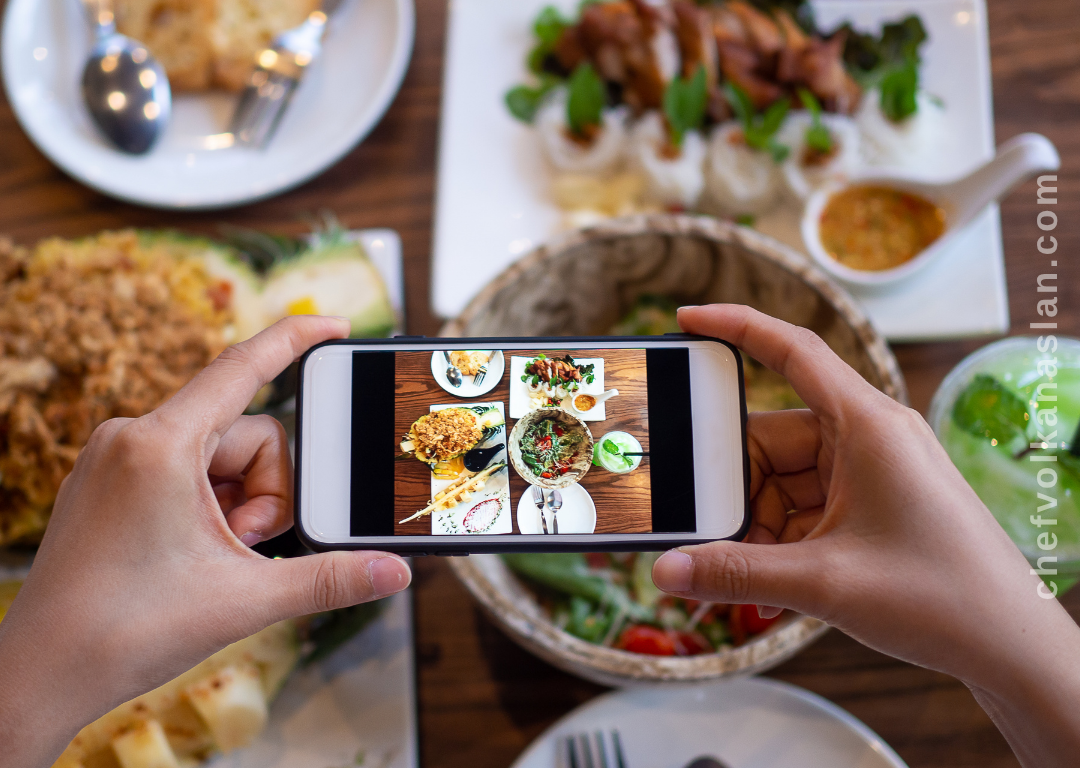
Social media visibility and real customer conversion are not the same thing.
How Does Free Dining Culture Harm Businesses?
At first glance, this may seem innocent. But as someone from within the sector, I can say clearly that this system harms many businesses more than it benefits them. Because some restaurants think they are advertising, while in reality they are only giving away free meals.
Most of the time, what they receive in return consists of low-quality content, fake engagement, purchased followers and a few artificial comments. The real customer often never even walks through the door.
A restaurant is not merely a few plates of food. A restaurant has kitchen costs, team labour, product costs, service load and serious operational management behind it. Every hosted table creates a real cost. Yet many businesses, in the rush to become visible, fail to notice these invisible costs.
Especially in newly opened restaurants, this psychology often emerges:
“Everyone is inviting influencers, so we should too.”
Then the same picture repeats itself. Crowded tables are set, the most expensive dishes are ordered, content is shot for hours, kitchen and service flow is disrupted, and the team becomes exhausted. The next day, what remains is often only a few stories, filtered videos and artificial comments.
- No reservation is generated.
- No loyal customer is gained.
- No real contribution is made to gastronomy.
Is Gastronomy Culture Turning into a Visual Show?
The more dangerous issue is that this culture is beginning to pull gastronomy away from the kitchen. Because some businesses now invest less in the question “How can we improve the flavour?” and more in the question “Will people take photos here?”
As a result, food moves away from taste, technique and culture, turning into a visual show. Smoke effects, exaggerated presentations and artificial reactions performed for the camera begin to overshadow the real gastronomy experience.
Sometimes I genuinely ask myself:
Are we cooking food, or are we producing content for social media?
In a real kitchen, there is discipline, repetition, early mornings, burn marks, product knowledge and years of labour.
Real chefship is not about looking good on camera; it is about carrying the weight of the kitchen.
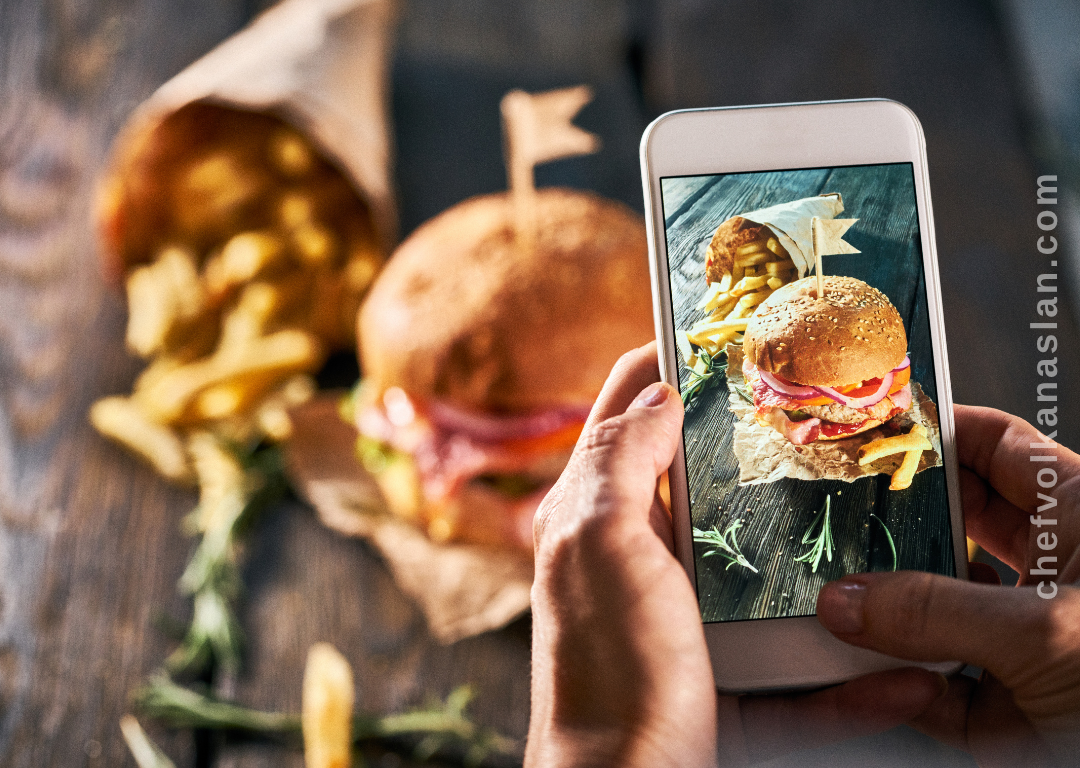
Every well-shot frame does not mean sustainable restaurant success.
What Is Real Chefship?
When you look at the world’s most respected gastronomy figures, this becomes very clear.
Anthony Bourdain never spoke only about beautiful plates. He told human stories through food.
Massimo Bottura carried not only presentation, but memory, culture and emotion.
René Redzepi showed the world that real gastronomy is not a show; it is a connection with roots.
In Turkey, Vedat Milor has long explained gastronomy not only through the lens of a “luxury restaurant experience”, but through culture, artisans, product knowledge and sincerity. He evaluates not only the appearance of a dish, but the product used, the cooking technique, the price-performance balance and the story of that table.
Because real gastronomy is not only about looking good; it is about leaving a trace in people’s memory.
How Does Fake Popularity Affect Young Chefs?
People are now beginning to realise something important: not every crowded restaurant is good, not every viral video is reliable, and not everyone is a gastronomy expert.
The most dangerous side of this is that while real chefs spend years building their craft, some people can become the visible face of the sector within a few months through artificial popularity. This creates serious pressure on young cooks in particular. Many young chef candidates now try to learn how to go viral before they learn how to cook well.
But chefship is not an image business. Chefship is character, discipline, culture, team management, product knowledge and respect. A good chef is understood not by follower count, but by the value they add to the kitchen.
How Does Fake Influencer Culture Harm Gastronomy?
Of course, social media is a reality of our age. I am not someone who rejects the digital world. When used correctly, social media can help good restaurants grow, open doors for young chefs and carry gastronomy culture to the world. But when visibility begins to replace labour, the sector starts to suffer.
Because fake influencer culture is no longer only a problem that causes financial damage to businesses. It is also gradually eroding real gastronomy culture, chef labour and the consumer’s sense of trust.
Recently, I have personally witnessed some businesses that had not even completed their first year lose millions of lira and close their shutters in a short time because of wrong promotional strategies focused solely on visibility and poor influencer choices.
Because a sustainable restaurant culture grows not through fake engagement, but through real guest satisfaction and trust.
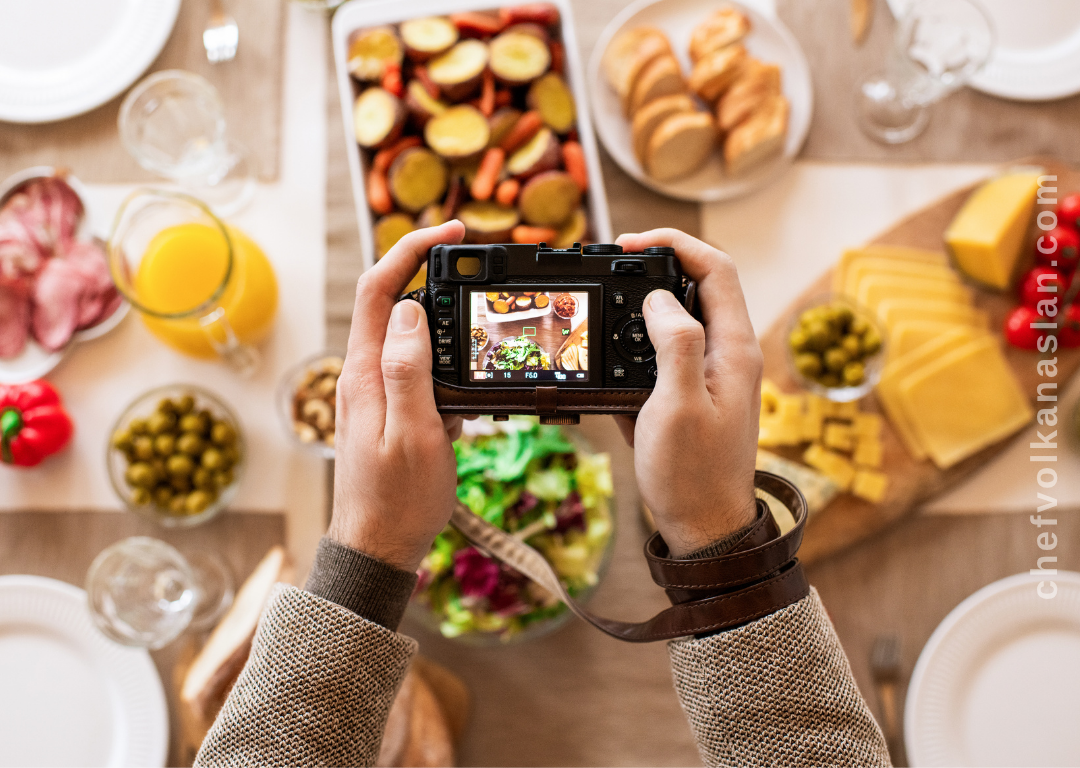
Visibility and trust are not the same thing; reputation in gastronomy is built over time.
The New Era After Social Media Regulations
Today, social media is not only a sharing space; it has become a major economy. That is why governments have also begun to monitor the influencer economy more closely.
With recent regulations in Turkey, not only influencers’ advertising income but also in-kind benefits such as free products, accommodation, meals and invitations have begun to be considered income under certain conditions.
Content produced in exchange for a free meal, promotion in exchange for hospitality and experience-based content created in return for free services are no longer seen merely as “sincere sharing.” Increasingly, these practices are being evaluated as advertising, promotion and commercial collaboration.
Frankly, I believe these regulations are important for the sector. Because the uncontrolled area that has been growing for a long time in gastronomy needs to become more transparent.
What Should Businesses Consider When Doing Influencer Marketing?
First of all, the difference between real influencer marketing and “free meal in exchange for posting” culture must be understood clearly.
A real influencer is not someone constantly chasing free meals. Real content creators have brand value, an audience that trusts them and an income model built on their labour. A professional usually does not act with the logic of “host me and I will post.”
Of course, someone who genuinely likes your restaurant, sincerely wants to support your place or truly enjoys your experience may share it naturally. But turning this into a systematic practice has begun to harm the gastronomy sector.
Because some businesses host 15 to 20 people for free in one night, but fail to gain real customers the next day.
With the same budget, however, much stronger results can be achieved by working with a few reliable content creators who have real influence and speak to the right target audience. Because the essence of influencer marketing is not crowd size, but trust.
How Can a Real Influencer Be Recognised?
The way to recognise a real influencer is not only to look at follower count. Comment quality must be examined. A real community asks questions, shares experiences and builds a connection with the content.
It is also necessary to look at whether they actually bring customers. Do they generate reservations? Do people talk about the place? Because visibility and customer conversion are not the same thing.
Accounts that visit a different place every day and call everything “legendary” or “the best I have ever eaten…” should also be approached carefully. Sincerity disappears in constantly repeated praise.
A real gastronomy content creator does not only talk about themselves; they tell the story of the kitchen, the chef, the product and the labour behind it.
Gastronomy Is Not Only About Beautiful-Looking Plates
There is one very important truth that the world of gastronomy needs to remember again today: gastronomy is not only about beautiful-looking plates.
Gastronomy is respect for the producer, labour in the kitchen, cultural memory, discipline and character.
That is why restaurants and chefs must now ask themselves this question:
Are we really investing in gastronomy, or only in a few seconds of digital visibility?
Purchased followers can increase quickly. Fake engagement can create the appearance of a crowd. But trust cannot be bought. Like real flavour, real reputation forms over time.
At the end of the day, people do not forget this: they remember places that truly made them feel good, sincere experiences and kitchens with a soul.
Because real chefship lives not only in front of the camera, but inside the kitchen, inside labour and inside human character.
Chef Volkan Aslan